
Men vs. Women: How Depression Symptoms Differ Between Genders

Depression is a complex mental health condition that affects people of all ages and backgrounds. However, research shows that men and women often experience and express depression in different ways. These gender differences can affect diagnosis, treatment, and recovery. Understanding how depression manifests uniquely in men and women is essential for recognizing the signs early and offering the right kind of support.


1. Emotional Expression: Internalized vs. Externalized Symptoms

Women are more likely to experience classic symptoms of depression, such as persistent sadness, tearfulness, feelings of guilt, and low self-esteem. They may be more open about their emotions, sharing their struggles with friends, family, or healthcare providers. This openness can make it easier for women to receive a diagnosis and seek help.

In contrast, men are often socialized to hide their emotional pain. Rather than expressing sadness, they may show depression through externalized symptoms such as anger, irritability, or aggression. They might lash out at others or become easily frustrated. Because these behaviors aren’t traditionally associated with depression, men’s emotional distress can go unnoticed or be mistaken for a personality issue rather than a mental health condition.


2. Coping Strategies and Risky Behavior

Depressed women are more likely to turn inward, ruminating on negative thoughts and emotions. This can increase the risk of anxiety, eating disorders, and co-occurring conditions like post-traumatic stress disorder (PTSD).

Men, on the other hand, are more prone to self-medicating behaviors. They may use alcohol, drugs, gambling, or risky sexual behavior as a way to cope with their pain. These behaviors can mask underlying depression, making it harder for both the individual and those around them to recognize what’s really going on.


3. Physical Symptoms

Both men and women can experience the physical symptoms of depression—such as fatigue, changes in sleep and appetite, and unexplained aches and pains. However, men are often more likely to focus on these physical complaints when talking to a doctor, rather than mentioning emotional distress. As a result, they might receive treatment for the physical symptom without addressing the root cause: depression.


4. Suicide Risk

Depression increases the risk of suicide in both genders, but men are statistically more likely to die by suicide. This is partly because men tend to choose more lethal methods and may delay seeking help until the depression is severe. Women attempt suicide more frequently, but their attempts are less likely to be fatal.


5. Seeking Help

Studies consistently show that women are more likely to seek professional help for depression. They are also more likely to benefit from support networks, such as friends, family, and community resources. Men, influenced by stigma and societal expectations of toughness, often delay or avoid seeking treatment altogether.


Breaking Down Barriers

Recognizing these gender-based differences is key to improving mental health care. Tailored approaches that consider how men and women experience and express depression can lead to earlier diagnosis and better outcomes. Above all, creating an environment where everyone feels safe to speak about their struggles is vital in the fight against depression.
How Depression Affects the Brain: The Science Behind the Struggle

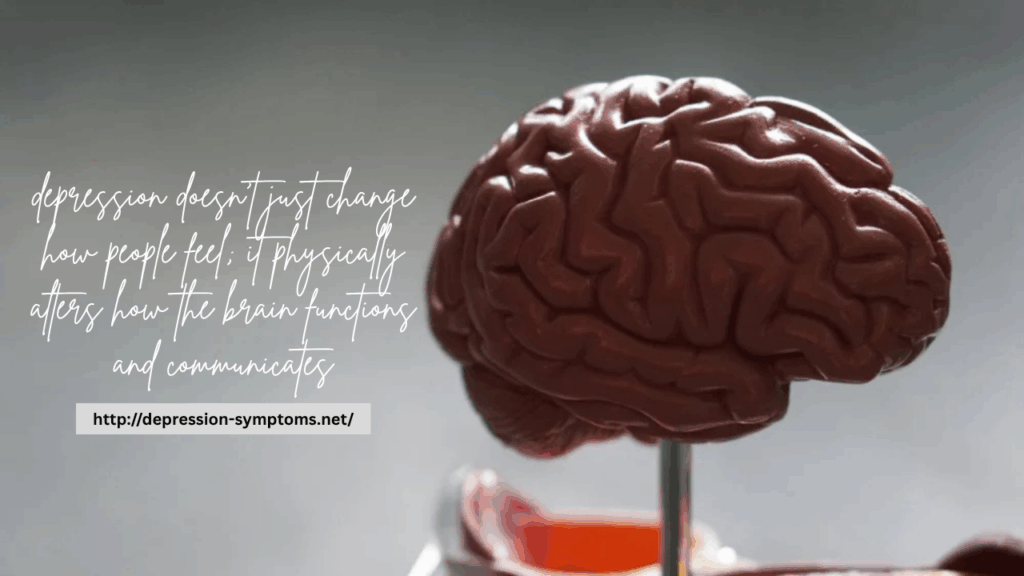
Depression is often seen as an emotional or psychological condition—but beneath the surface, it is deeply rooted in the brain’s biology. Advances in neuroscience have shown that depression doesn’t just change how people feel; it physically alters how the brain functions and communicates. Understanding how depression affects the brain can reduce stigma and emphasize that it’s a real, medical condition—not simply a matter of “being sad” or “snapping out of it.”

Let’s explore the science behind depression and how it reshapes the brain.


1. Neurotransmitter Imbalance

One of the most well-known biological theories of depression involves neurotransmitters—the chemical messengers in the brain. Key neurotransmitters involved in mood regulation include:

  • Serotonin: Affects mood, sleep, and appetite.
  • Dopamine: Influences motivation, pleasure, and reward.
  • Norepinephrine: Plays a role in alertness and energy.

When levels of these chemicals are imbalanced, it can lead to many of the symptoms associated with depression, such as persistent sadness, fatigue, and lack of interest in previously enjoyable activities.

However, depression is more than just a “chemical imbalance.” It also involves structural and functional changes in the brain itself.


2. Brain Structure Changes

Research using MRI scans has shown that depression can shrink or alter activity in key areas of the brain:

  • Hippocampus: Responsible for memory and learning. In people with depression, this area often appears smaller in volume. Chronic stress—a major trigger for depression—can damage the hippocampus, affecting both memory and emotional regulation.
  • Prefrontal Cortex: This area governs decision-making, focus, and planning. Depression can reduce activity here, making it harder to concentrate, think clearly, or make decisions.
  • Amygdala: This region processes emotions like fear and anger. In depressed individuals, the amygdala can become overactive, leading to heightened emotional responses, anxiety, and persistent negative thoughts.

These brain changes aren’t necessarily permanent. With effective treatment, such as therapy or medication, many of these areas can regain healthy functioning over time.


3. Hormonal and Stress Response

Depression is closely linked to the hypothalamic-pituitary-adrenal (HPA) axis, the system that manages the body’s response to stress. In people with depression, this system often becomes overactive, leading to elevated levels of the stress hormone cortisol.

Chronically high cortisol can damage brain cells, especially in the hippocampus, and may also contribute to fatigue, sleep problems, and immune system suppression. This biological response shows that depression isn’t “just in your head”—it involves the whole body.


4. Neural Connectivity and Inflammation

Recent studies suggest that depression may be linked to reduced connectivity between brain regions, particularly those involved in mood regulation and cognitive control. Inflammation in the brain, possibly caused by chronic stress or immune system dysfunction, is also being studied as a contributing factor.


The Good News: The Brain Can Heal

While depression alters brain chemistry and structure, treatment can reverse many of these changes. Antidepressant medications can restore neurotransmitter balance. Psychotherapy can rewire thought patterns. Even lifestyle changes—like exercise, sleep, and mindfulness—have been shown to positively impact brain health.

Understanding the science behind depression helps us see it not as a weakness but as a complex, medical condition. And with the right support and treatment, healing is not only possible—it’s likely.