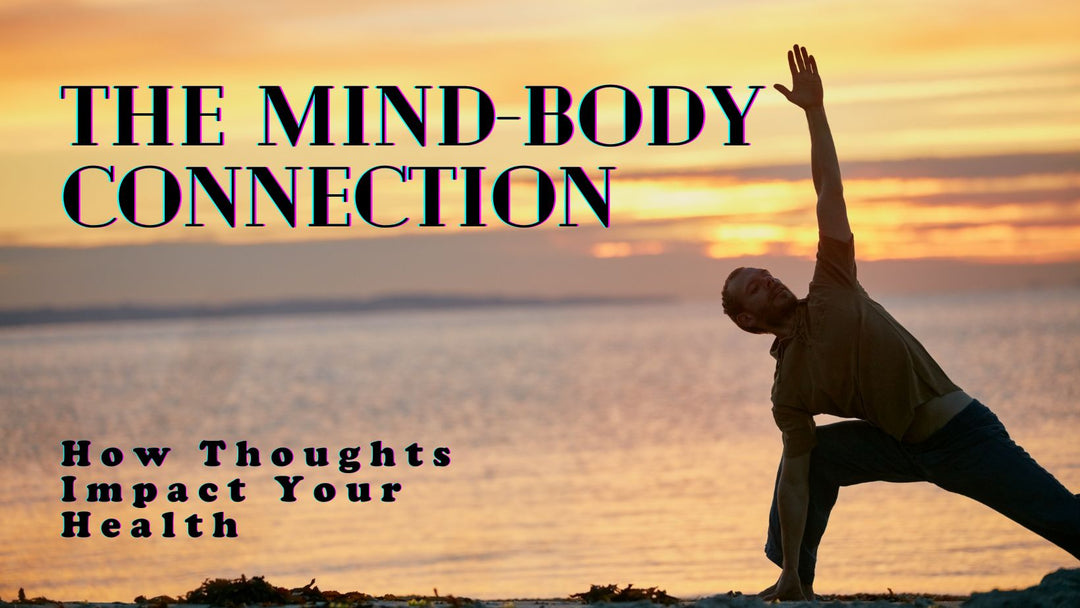
Depression is often seen as a mental or emotional challenge, but its impact extends far beyond the mind. The condition affects physical health, daily behavior, and overall quality of life. Ignoring the mind-body connection in depression can delay recovery and increase the risk of complications, including chronic illness and substance use. At Depression-Symptoms.net, we provide holistic, faith-based, and individualized care designed to address the full spectrum of depression’s effects on the mind and body.
How Depression Influences Physical Health
Depression can manifest through a variety of physical symptoms. Fatigue, disrupted sleep, appetite changes, and unexplained aches are common among individuals experiencing depression. Chronic stress associated with depression can elevate cortisol levels, weaken the immune system, and increase inflammation, potentially contributing to cardiovascular problems, diabetes, and other health concerns.
Recognizing the physical impact of depression is crucial because these symptoms are often mistaken for purely medical issues. Early intervention that addresses both mental and physical health can prevent long-term complications.
The Role of Emotional and Cognitive Strain
Depression affects thoughts and emotions, which directly influence behavior. Persistent negative thinking, feelings of hopelessness, and difficulty concentrating can reduce motivation to maintain healthy routines, such as regular exercise, balanced nutrition, or consistent medical care. This cycle can further compromise physical health, creating a feedback loop that intensifies depressive symptoms.
Behavioral Changes and Their Health Implications
Depression often alters behavior in ways that affect overall well-being. Common behavioral changes include:
- Social withdrawal and reduced participation in enjoyable activities
- Neglect of personal care or household responsibilities
- Increased reliance on alcohol, drugs, or other coping mechanisms
- Difficulty adhering to medical or treatment routines
These behaviors can exacerbate both emotional and physical symptoms, making holistic and individualized care essential.
The Connection Between Depression and Addiction
Depression and addiction frequently intersect. Individuals may use substances to numb emotional pain, temporarily alleviating depressive symptoms but ultimately worsening mental and physical health. At Depression-Symptoms.net, our programs address both depression and co-occurring substance use disorders, providing integrated care that improves long-term recovery outcomes.
Holistic Approaches to Recovery
Understanding depression as a mind-body condition allows for more effective, comprehensive treatment. Our holistic programs combine:
- Evidence-based therapy: Cognitive Behavioral Therapy (CBT), mindfulness, and other interventions to address negative thought patterns
- Holistic wellness practices: Nutrition planning, exercise, stress management, and sleep hygiene
- Faith-based support: Spiritual guidance for those seeking purpose, connection, and hope
- Flexible care options: Inpatient and outpatient programs tailored to individual needs
By addressing emotional, cognitive, behavioral, and physical aspects simultaneously, clients achieve a more complete and lasting recovery.
Healing the Mind and Body Together
Depression is not confined to the mind — it affects the entire body and overall health. Recognizing the mind-body connection is vital for effective treatment and sustainable recovery. With professional support, holistic strategies, and individualized care, it is possible to break the cycle of depression and restore balance in life.
If you or a loved one is struggling with depression, reach out to Depression-Symptoms.net today. Our compassionate team is ready to guide you through a personalized journey that addresses both mental and physical well-being. Recovery begins when the mind and body are treated together — take the first step now.