Unmasking Depression: How to Recognize the Signs Before They Deepen

Depression often hides in plain sight. For many, it begins quietly — a loss of motivation, lingering fatigue, or subtle changes in mood that are easy to dismiss as stress or exhaustion. But when these feelings persist and begin to affect daily life, they may be early signs of something deeper. Understanding how depression manifests is the first step toward healing and recovery.

The Subtle Beginnings of Depression

Depression doesn’t always start with overwhelming sadness. In fact, it often begins with small shifts in energy, focus, or sleep patterns. A person might notice they’re more irritable, find less joy in their favorite activities, or struggle to stay connected with friends and family. These early symptoms can easily be mistaken for normal life challenges, but they’re often the mind’s way of signaling distress.

At Depression Symptoms, clients learn that depression is not simply a mood disorder — it affects every part of a person’s life, from thought patterns to physical health. Recognizing the early warning signs helps prevent symptoms from worsening and supports timely, effective treatment.

Emotional and Behavioral Warning Signs

Depression changes the way people think and respond to the world around them. Persistent negative thoughts, low self-worth, and hopelessness are common. Tasks that once felt easy can suddenly seem impossible. Many individuals find themselves withdrawing from social activities, avoiding responsibilities, or losing interest in things that once mattered most.

In more advanced stages, depression may also lead to changes in appetite, difficulty concentrating, or disruptions in sleep. It can even cause physical symptoms such as headaches, digestive issues, or chronic pain. These patterns can be particularly damaging without professional support, which is why early recognition is key.

The Importance of Seeking Help Early

Depression is not a sign of weakness or a lack of faith. It’s a medical condition that requires compassion, understanding, and professional care. At Depression Symptoms, treatment is personalized to meet each person’s unique needs. Their holistic approach includes evidence-based therapies, faith-centered guidance, and mind-body healing techniques that address the whole person — not just the symptoms.

Whether through inpatient or outpatient programs, clients receive support in restoring balance to both mind and spirit. Early intervention can make a profound difference, helping individuals regain clarity, hope, and motivation before depression takes deeper root.

Taking the First Step Toward Healing

If you or someone you love is showing signs of depression, now is the time to act. The earlier help is sought, the easier it is to reverse the cycle and begin recovery. At Depression Symptoms, compassionate professionals are ready to walk with you toward healing — one step at a time.

You don’t have to face depression alone. Reach out today to begin your journey toward renewed strength, purpose, and peace.

From Thoughts to Actions: How Depression Quietly Reshapes Behavior and Mood

Depression is not always loud or obvious. Sometimes, it creeps into daily life quietly, reshaping the way a person thinks, feels, and behaves without being immediately recognized. Over time, it can influence everything from the smallest decisions to the biggest life choices. What begins as negative thinking can slowly turn into emotional withdrawal, isolation, or even self-destructive habits. At Depression-Symptoms.net, we help individuals understand how depression influences behavior and mood, and we provide the support needed to rebuild balance and hope through personalized, holistic care.

The Hidden Power of Depressive Thinking

Depression often starts in the mind. Thoughts become darker, more self-critical, and more hopeless. Individuals may begin to believe they are failures or that nothing will ever improve. These beliefs are not based on reality but on depression’s distorted lens.

The Cycle of Negative Thinking

When the brain is influenced by depression, it tends to focus on the negative while filtering out positive experiences. A person might remember only mistakes and overlook successes, leading to a constant sense of inadequacy. This pattern of thinking eventually shapes emotional responses, making sadness and anxiety feel like permanent states.

Understanding this cognitive shift is crucial, because it marks the beginning of behavioral changes that often go unnoticed.

The Emotional Ripple: How Thoughts Shape Feelings

Negative thoughts fuel negative emotions. Feelings of guilt, frustration, or emptiness grow stronger as the mind continues to replay painful memories or self-criticism. Eventually, these emotions can overwhelm even the simplest daily activities, making it difficult to find motivation or joy.

Emotional Numbness and Withdrawal

Some people with depression experience emotional numbness rather than sadness. They may not cry or appear upset but feel detached from life. This emotional disconnect often leads to withdrawing from loved ones or losing interest in activities that once brought happiness. Over time, isolation reinforces the very thoughts that caused the withdrawal in the first place.

From Emotion to Action: Behavioral Changes in Depression

Depression gradually changes behavior in subtle yet significant ways. It can affect work performance, relationships, and physical health. Common behavioral signs include:

  • Avoiding social interactions or important responsibilities
  • Sleeping too much or too little
  • Relying on substances to numb emotional pain
  • Losing motivation to maintain self-care or routines

When Depression and Addiction Overlap

Many individuals turn to alcohol or drugs as a way to cope with overwhelming emotions. This behavior may bring short-term relief but deepens depression over time. At Depression-Symptoms.net, our dual diagnosis programs address both depression and addiction together, ensuring clients receive integrated, comprehensive care that promotes long-term recovery.

Breaking the Thought-Emotion-Behavior Cycle

Healing begins with awareness. When individuals recognize how their thoughts influence emotions and behaviors, they can begin to change the cycle. Professional support, therapy, and holistic healing practices play a vital role in this transformation.

A Holistic and Faith-Based Approach to Recovery

Our treatment programs combine evidence-based therapies like Cognitive Behavioral Therapy (CBT) with holistic methods such as mindfulness, nutrition, and movement. For those seeking spiritual renewal, our faith-based approach offers hope and direction rooted in compassion and purpose. Whether through inpatient or outpatient care, every program is personalized to meet each person’s unique needs.

Rebuilding Life One Thought at a Time

Depression can quietly reshape how you think, feel, and live. But with the right support, these patterns can be reversed. Healing is not about becoming someone new, but about rediscovering your strength, purpose, and capacity for joy.

If you or someone you love is struggling with depression or addiction, you are not alone. Contact Depression-Symptoms.net today to begin your journey toward healing. Together, we can help you take back control of your thoughts, emotions, and actions — and start living with hope again.

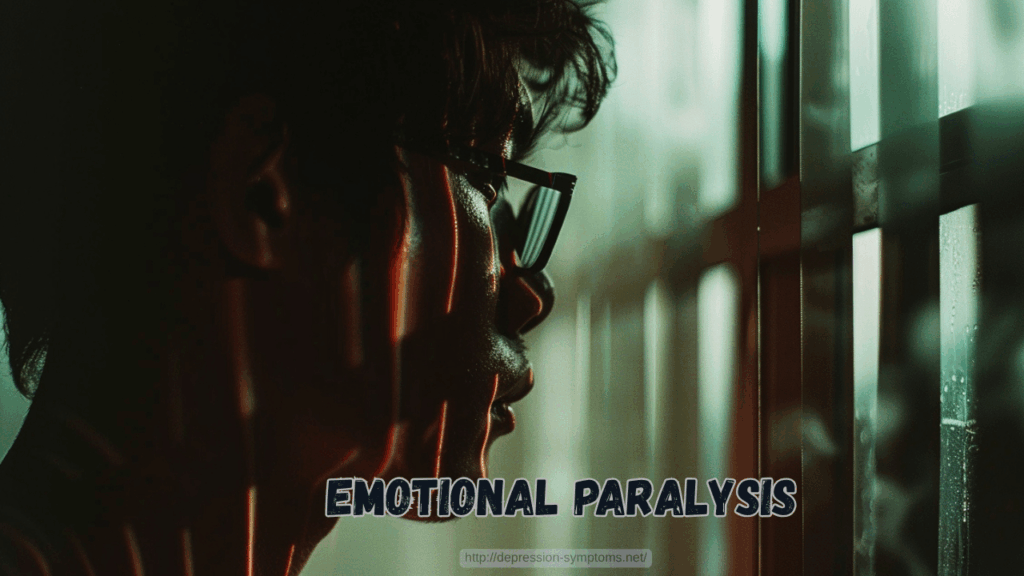
Emotional Paralysis: How Depression Disrupts Thinking and Daily Life

Depression is not just a mental or emotional struggle. It can feel like an invisible weight that makes every decision, movement, or thought feel impossible. Many people describe it as being emotionally paralyzed — unable to move forward, connect with others, or even complete simple daily tasks. This emotional paralysis often creates feelings of guilt and shame, which can deepen depression and sometimes lead to substance use as a form of escape. At Depression-Symptoms.net, we help individuals regain control by addressing the emotional, mental, and behavioral aspects of depression through holistic, faith-based, and evidence-based care.

Understanding Emotional Paralysis

Emotional paralysis occurs when a person feels emotionally stuck or disconnected from life. It goes beyond sadness or fatigue. It is a state where emotions become blunted, thoughts feel foggy, and motivation seems to vanish. Individuals may feel detached from their surroundings, unable to experience joy, or hesitant to make even the smallest decisions.

The Cognitive Impact of Depression

Depression directly affects how the brain processes information. It disrupts concentration, decision-making, and memory. Negative thought patterns often take over, reinforcing feelings of worthlessness or hopelessness. These distorted thoughts can make daily life feel unmanageable. Tasks that once seemed easy — replying to messages, attending appointments, or maintaining personal hygiene — become overwhelming.

This mental fog can lead to avoidance behaviors that isolate individuals further, making recovery feel even more distant. Understanding this connection between thought and behavior is key to restoring clarity and confidence.

The Emotional Toll: Feeling Everything and Nothing

Depression can create two emotional extremes: feeling too much or feeling nothing at all. Some people experience intense sadness, guilt, or anxiety, while others feel emotionally numb. Both experiences can be equally distressing. Emotional paralysis can make people question their own identity or wonder if they will ever feel “normal” again.

When these emotions go unaddressed, individuals may turn to alcohol or drugs to numb the pain or temporarily lift their mood. Unfortunately, this coping strategy worsens the condition over time, trapping them in a painful cycle of emotional and chemical dependency.

How Depression Disrupts Daily Life

The effects of depression are not limited to the mind. They spill into every part of daily life, affecting relationships, work, and health. Common disruptions include:

  • Loss of motivation: Even basic responsibilities can feel impossible.
  • Social withdrawal: Fear of judgment or exhaustion often leads to isolation.
  • Physical fatigue: Depression can cause chronic tiredness that sleep cannot fix.
  • Neglected self-care: Nutrition, exercise, and hygiene may decline.

These patterns reinforce depression’s hold, making it harder for individuals to seek help. Recognizing these symptoms early and reaching out for support can make all the difference.

Restoring Balance Through Holistic and Individualized Care

At Depression-Symptoms.net, we understand that emotional paralysis cannot be overcome by willpower alone. Our treatment approach focuses on healing the whole person through a combination of clinical therapy, holistic wellness, and faith-based guidance.

A Comprehensive Path to Healing

  • Therapeutic interventions: Cognitive Behavioral Therapy (CBT) and other evidence-based approaches help individuals challenge distorted thinking and restore mental clarity.
  • Holistic healing: Nutrition, physical wellness, mindfulness, and creative therapies promote emotional balance and energy renewal.
  • Faith-based care: For those who seek spiritual healing, integrating faith into recovery provides a deeper sense of hope and purpose.
  • Inpatient and outpatient programs: Flexible care levels ensure each person receives the support they need at every stage of their journey.

Reclaiming Movement and Meaning

Emotional paralysis caused by depression can make life feel like it has come to a halt. But with the right guidance, healing is not only possible — it is achievable. By addressing the mental, emotional, and physical aspects of depression, you can rediscover clarity, peace, and motivation.

If you or someone you love is struggling with depression or addiction, take the first step toward renewal. Contact Depression-Symptoms.net today. Our compassionate team is ready to help you break free from emotional paralysis and rediscover a life of purpose and hope.

Breaking the Cycle: Understanding the Thought-Emotion-Behavior Loop in Depression

Depression is not just about feeling sad. It is a condition that creates a powerful cycle of negative thinking, painful emotions, and self-defeating behaviors. This cycle often traps individuals in a loop that feels impossible to escape. For those also facing addiction, the struggle becomes even more complex, as substance use may temporarily mask emotional pain while reinforcing destructive patterns. At Depression-Symptoms.net, we believe that breaking this cycle is possible with compassionate care, evidence-based therapies, and holistic healing.

What Is the Thought-Emotion-Behavior Loop?

The thought-emotion-behavior loop explains how depression reinforces itself. A single negative thought, such as “I will never get better,” can trigger emotions like sadness, guilt, or fear. These emotions then influence behaviors such as withdrawal from friends, neglecting self-care, or relying on substances to cope. Over time, these actions reinforce the negative thought, starting the cycle again.

An Example of the Loop in Daily Life

Imagine someone struggling with depression wakes up feeling exhausted. The thought arises: “I cannot face today.” This leads to feelings of hopelessness and discouragement, which may result in skipping work or isolating from others. That behavior then creates more negative thoughts like “I am a failure,” deepening the cycle. Recognizing this pattern is the first step toward breaking free.

How Addiction Intertwines With the Loop

For many, addiction develops as a way to escape the painful emotions that depression brings. Alcohol or drugs may provide temporary relief, but they intensify the cycle in the long run. Substances cloud thinking, heighten emotional instability, and lead to destructive behaviors that make recovery harder. Without addressing both depression and addiction, the loop continues.

Dual Diagnosis Treatment as a Solution

At Depression-Symptoms.net, we specialize in treating both mental health and addiction together through dual diagnosis care. This approach ensures that clients do not just manage one part of the problem but receive comprehensive support that addresses the whole cycle.

Breaking the Loop With Professional Support

The good news is that the thought-emotion-behavior loop can be interrupted. With the right tools and treatment, individuals can learn how to recognize patterns, challenge distorted thinking, and replace harmful behaviors with healthier ones.

Cognitive and Behavioral Therapies

Therapies such as Cognitive Behavioral Therapy (CBT) are especially effective in helping people break free from the loop. By identifying harmful thought patterns and actively restructuring them, individuals gain the ability to influence their emotions and behaviors in positive ways.

Holistic and Faith-Based Healing

In addition to clinical therapies, holistic practices such as mindfulness, nutrition, exercise, and spiritual care can support balance and resilience. For those who desire it, faith-based treatment provides a source of hope, strength, and meaning in the recovery process.

Creating a Path to Lasting Change

Breaking free from depression requires more than willpower. It requires guidance, support, and a program that treats each person as a whole. That is why Depression-Symptoms.net offers inpatient and outpatient programs tailored to individual needs. Whether someone requires intensive care or ongoing outpatient support, we provide the tools to break the cycle and begin again.

Take the First Step Today

Depression creates a loop that can feel endless, but there is a way out. By addressing thoughts, emotions, and behaviors together, and by receiving care that integrates mental health treatment, addiction recovery, and holistic healing, lasting recovery becomes possible. If you or someone you love is caught in this cycle, do not wait another day. Reach out to Depression-Symptoms.net today and take the first step toward hope, healing, and freedom.