Mood, Mind, and Movement: The Full Spectrum of Depression’s Impact

Depression is more than a temporary sadness or a bad day. It is a condition that affects every layer of a person’s life, from how they think and feel to how they move and engage with the world. For many, depression also intersects with addiction, creating an even heavier burden to carry. At Depression-Symptoms.net, we recognize that recovery requires more than addressing symptoms. True healing comes from understanding the full spectrum of depression’s impact and guiding individuals toward holistic, lasting change.

How Depression Affects Mood

The most recognizable sign of depression is its effect on mood. People often experience:

  • Persistent sadness or emptiness
  • Irritability and frustration over small matters
  • Feelings of hopelessness or worthlessness

These mood shifts can feel overwhelming, leaving individuals unable to find joy even in things that once brought happiness. When combined with addiction, these emotional lows often deepen, as substances provide only temporary relief and worsen the long-term struggle.

The Link Between Mood and Addiction

Many people battling depression turn to drugs or alcohol as a way to escape difficult emotions. Unfortunately, this relief is short-lived and creates a cycle where mood worsens over time. Professional treatment that addresses both depression and substance use is vital to breaking this cycle.

The Cognitive Toll: Depression and the Mind

Depression does not only weigh down emotions. It also changes how the brain processes thoughts. Individuals may experience:

  • Difficulty concentrating or making decisions
  • Constant negative self-talk
  • Catastrophic thinking about the future

These cognitive challenges make daily life harder to manage. Work, school, and relationships often suffer, adding to the sense of being trapped. Recognizing these mental patterns is an important step toward reshaping them through therapy and support.

Cognitive Behavioral Therapy as a Path Forward

At Depression-Symptoms.net, therapies like cognitive behavioral therapy (CBT) are used to help individuals identify distorted thoughts and replace them with healthier, more realistic ones. This approach empowers people to reclaim control over their minds.

The Physical Side: Movement and Energy

Depression also takes a toll on the body. Many people struggle with fatigue, sluggishness, or even chronic pain. Others may notice changes in sleep or appetite, leading to further exhaustion. These physical symptoms often create barriers to recovery because low energy makes it harder to seek help or engage in positive activities.

Restoring Movement Through Holistic Care

Holistic care, including exercise, nutrition, and mindfulness practices, is a vital part of treatment. By reconnecting body and mind, individuals can gradually rebuild energy, motivation, and physical resilience. This not only helps with depression but also supports long-term recovery from addiction.

A Comprehensive Approach to Healing

Depression affects mood, mind, and movement in interconnected ways, and effective treatment must address each of these dimensions. At Depression-Symptoms.net, our programs combine evidence-based therapy, holistic healing, and faith-based care for those who desire spiritual support. We provide both inpatient and outpatient options, ensuring that each person receives the level of care that best meets their unique needs.

Taking the Next Step Toward Recovery

Depression is not just a mood disorder. It is a whole-person condition that influences emotions, thoughts, and physical well-being. The good news is that recovery is possible with the right support. If you or someone you love is struggling with depression or addiction, you do not have to walk this path alone. Contact Depression-Symptoms.net today to learn more about our individualized, compassionate treatment programs. Together, we can help you restore balance, rebuild hope, and begin a new chapter of healing.
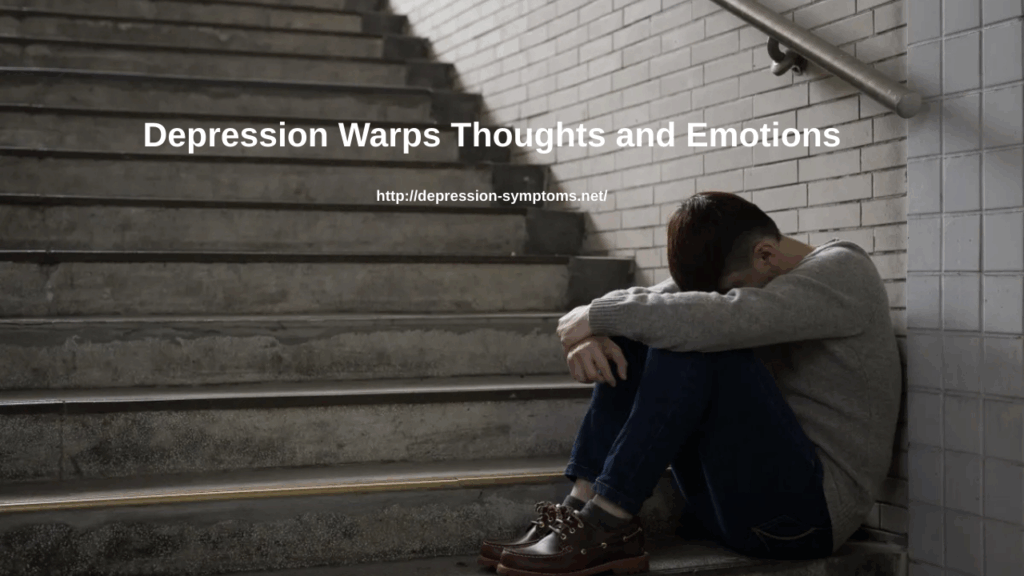
When the Mind Turns Against You: How Depression Warps Thoughts and Emotions

Depression is often misunderstood as simple sadness, but it is far more complex. It can distort the way a person thinks, feels, and interacts with the world. When the mind turns against itself, thoughts become clouded with negativity and emotions grow increasingly heavy. This internal struggle often drives people toward isolation, hopelessness, and sometimes addiction as a way to cope. At Depression-Symptoms.net, we provide compassionate, holistic treatment to help individuals break free from this cycle and rediscover balance in their lives.

The Distorted Thought Patterns of Depression

One of the most difficult aspects of depression is how it alters the way a person views themselves and their circumstances. Common thought patterns include:

  • Believing you are a failure even when evidence shows otherwise
  • Expecting the worst possible outcome in every situation
  • Feeling unworthy of love or support
  • Assuming others are judging or rejecting you

These thoughts may feel real in the moment, but they are often products of depression’s distortion. Left unaddressed, they fuel emotions of guilt, shame, and despair, which can intensify the illness.

The Role of Cognitive Distortions

Cognitive distortions are unhealthy thinking habits that take root during depression. For example, “all-or-nothing thinking” causes a person to see life in extremes, while “catastrophizing” makes minor setbacks feel catastrophic. Understanding these distortions is the first step toward challenging and reframing them in healthier ways.

The Emotional Weight of Depression

Thoughts and emotions are closely connected, and in depression they often reinforce one another. Negative thoughts fuel painful emotions such as sadness, anxiety, or emptiness. Over time, these feelings drain motivation, energy, and hope, making even simple daily tasks feel overwhelming.

The emotional burden of depression is also linked to addiction. Many turn to drugs or alcohol in search of temporary relief from relentless mental pain. Unfortunately, substance use often deepens the depression, creating a cycle that feels nearly impossible to escape without support.

How Depression Shapes Behavior

As thoughts and emotions spiral, behavior begins to change. People struggling with depression may:

  • Withdraw from loved ones and social activities
  • Lose interest in hobbies or passions
  • Struggle with work or school responsibilities
  • Engage in unhealthy coping mechanisms, including substance use

These behaviors can reinforce the false beliefs planted by depression, making the illness even more difficult to overcome.

Breaking the Cycle with Holistic and Faith-Based Care

The good news is that depression does not have to define a person’s life. At Depression-Symptoms.net, we offer individualized treatment plans designed to address the root causes of depression and addiction. Our programs include:

  • Evidence-based therapies such as cognitive behavioral therapy to challenge negative thinking
  • Holistic healing through mindfulness, nutrition, and physical wellness
  • Faith-based support for those who want to draw on spiritual strength during recovery
  • Inpatient and outpatient care to provide both structure and flexibility based on individual needs

By combining professional expertise with compassion, we help individuals replace distorted thoughts with clarity, balance emotions, and develop healthier behaviors.

A Path Toward Healing and Hope

When depression warps thoughts and emotions, it can feel like your own mind has become the enemy. But with the right support, it is possible to break free from these distortions and rebuild a healthier, more hopeful outlook.

If you or someone you care about is struggling with depression or addiction, we are here to help. Contact Depression-Symptoms.net today to take the first step toward healing. You do not have to face this battle alone.

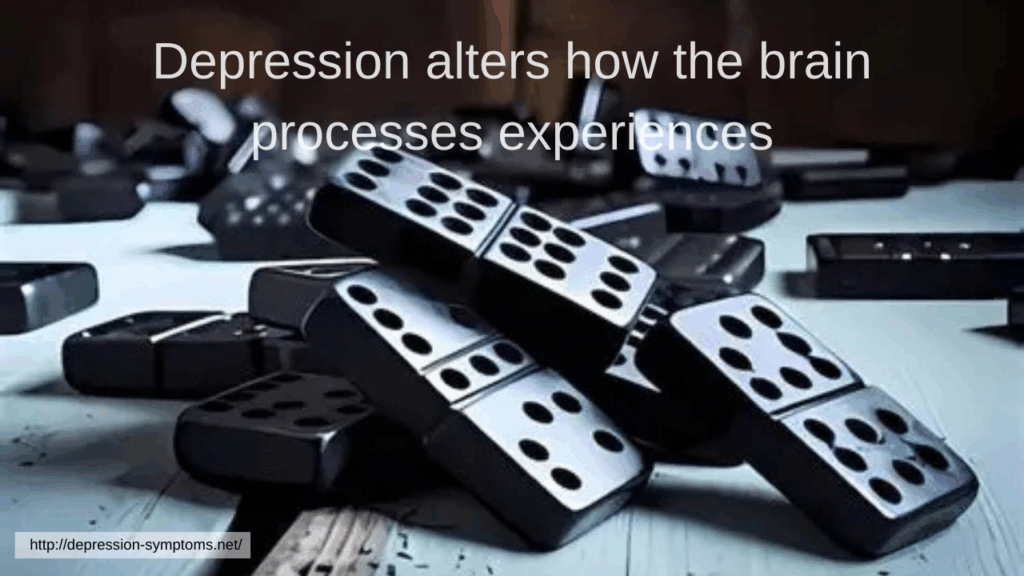
Depression’s Domino Effect: From Negative Thoughts to Withdrawn Behavior

Depression is not just about feeling sad or tired. It is a powerful condition that impacts how a person thinks, feels, and behaves in daily life. What begins as negative thinking can quickly ripple into painful emotions and self-destructive patterns of behavior. For many, this domino effect not only deepens depression but also increases vulnerability to addiction as a way of coping. At Depression-Symptoms.net, we specialize in helping individuals break this cycle with compassionate, holistic, and individualized treatment.

How Negative Thoughts Begin the Cycle

The first domino often falls with distorted thinking patterns. Depression alters how the brain processes experiences, causing a person to view themselves and the world through a lens of negativity. Common thought patterns include:

  • “I am not good enough.”
  • “Nothing will ever change.”
  • “I always fail.”
  • “People would be better off without me.”

These thoughts may feel true to the person experiencing them, but they are often far from reality. Left unchecked, they fuel emotions such as hopelessness and guilt, which in turn lead to behaviors that reinforce the depression.

The Emotional Impact: Fueling the Cycle

When negative thoughts dominate, emotions follow. Depression can manifest as sadness, emptiness, anxiety, or numbness. The emotional toll is heavy and persistent, leaving many feeling disconnected from joy or unable to imagine a brighter future.

These emotions do not exist in isolation. They interact with thoughts and behaviors, making daily responsibilities, relationships, and even self-care feel overwhelming. For individuals battling both depression and addiction, the emotional pain can become unbearable, pushing them toward substances in an attempt to find temporary relief.

Behavioral Changes: The Final Domino

Behavior is often the most visible sign of depression. Once negative thoughts and painful emotions take hold, they can lead to:

  • Social withdrawal and isolation
  • Neglect of personal hygiene and self-care
  • Loss of interest in hobbies or work
  • Sleep disturbances and changes in appetite
  • Turning to drugs or alcohol for escape

These behaviors not only reinforce the negative thoughts but also create real-life consequences, such as strained relationships, financial stress, or relapse for those in recovery. It becomes a self-perpetuating cycle where every action seems to confirm the inner belief that life is unmanageable.

Breaking the Domino Effect with Holistic Care

The good news is that the domino effect of depression can be interrupted. At Depression-Symptoms.net, we provide comprehensive care that treats both the mental and behavioral aspects of depression and addiction. Our approach includes:

  • Individualized treatment plans tailored to unique needs and challenges
  • Evidence-based therapies such as cognitive behavioral therapy to address negative thought patterns
  • Holistic care with mindfulness, nutrition, and fitness to restore balance
  • Faith-based support for those who draw strength from spirituality
  • Inpatient and outpatient programs that offer flexibility and long-term support

By addressing the root causes of depression and teaching practical coping strategies, we help clients rebuild confidence, restore relationships, and rediscover hope.

A Path Toward Healing

Depression may set off a domino effect of thoughts, emotions, and behaviors, but it does not have to control your future. With the right support, it is possible to stop the cycle and start building a healthier, more fulfilling life.

If you or someone you love is struggling with depression or addiction, reach out to Depression-Symptoms.net today. Together, we can help you find the strength to stand tall again and take the next step toward healing.