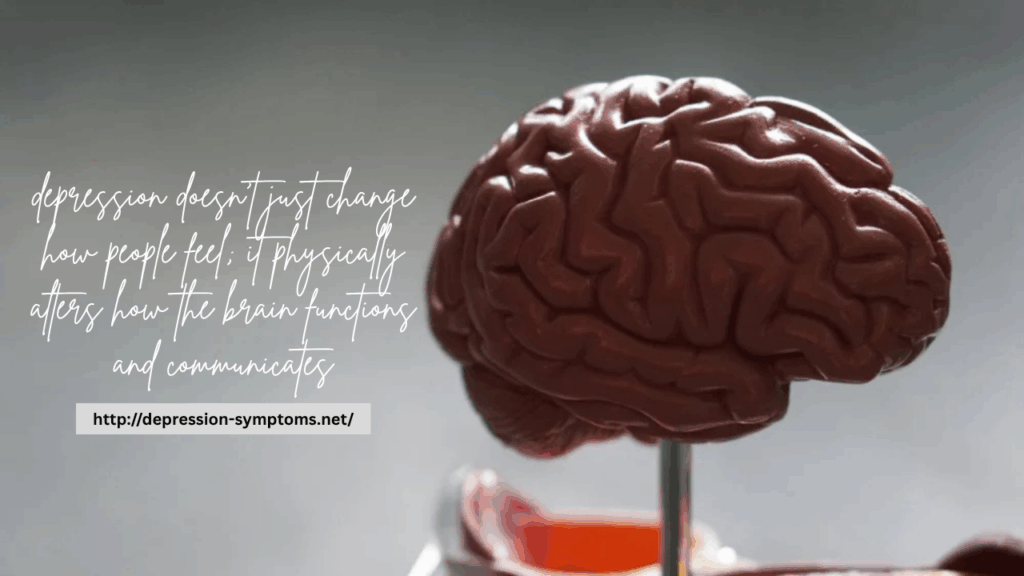
Depression is often seen as an emotional or psychological condition—but beneath the surface, it is deeply rooted in the brain’s biology. Advances in neuroscience have shown that depression doesn’t just change how people feel; it physically alters how the brain functions and communicates. Understanding how depression affects the brain can reduce stigma and emphasize that it’s a real, medical condition—not simply a matter of “being sad” or “snapping out of it.”
Let’s explore the science behind depression and how it reshapes the brain.
1. Neurotransmitter Imbalance
One of the most well-known biological theories of depression involves neurotransmitters—the chemical messengers in the brain. Key neurotransmitters involved in mood regulation include:
- Serotonin: Affects mood, sleep, and appetite.
- Dopamine: Influences motivation, pleasure, and reward.
- Norepinephrine: Plays a role in alertness and energy.
When levels of these chemicals are imbalanced, it can lead to many of the symptoms associated with depression, such as persistent sadness, fatigue, and lack of interest in previously enjoyable activities.
However, depression is more than just a “chemical imbalance.” It also involves structural and functional changes in the brain itself.
2. Brain Structure Changes
Research using MRI scans has shown that depression can shrink or alter activity in key areas of the brain:
- Hippocampus: Responsible for memory and learning. In people with depression, this area often appears smaller in volume. Chronic stress—a major trigger for depression—can damage the hippocampus, affecting both memory and emotional regulation.
- Prefrontal Cortex: This area governs decision-making, focus, and planning. Depression can reduce activity here, making it harder to concentrate, think clearly, or make decisions.
- Amygdala: This region processes emotions like fear and anger. In depressed individuals, the amygdala can become overactive, leading to heightened emotional responses, anxiety, and persistent negative thoughts.
These brain changes aren’t necessarily permanent. With effective treatment, such as therapy or medication, many of these areas can regain healthy functioning over time.
3. Hormonal and Stress Response
Depression is closely linked to the hypothalamic-pituitary-adrenal (HPA) axis, the system that manages the body’s response to stress. In people with depression, this system often becomes overactive, leading to elevated levels of the stress hormone cortisol.
Chronically high cortisol can damage brain cells, especially in the hippocampus, and may also contribute to fatigue, sleep problems, and immune system suppression. This biological response shows that depression isn’t “just in your head”—it involves the whole body.
4. Neural Connectivity and Inflammation
Recent studies suggest that depression may be linked to reduced connectivity between brain regions, particularly those involved in mood regulation and cognitive control. Inflammation in the brain, possibly caused by chronic stress or immune system dysfunction, is also being studied as a contributing factor.
The Good News: The Brain Can Heal
While depression alters brain chemistry and structure, treatment can reverse many of these changes. Antidepressant medications can restore neurotransmitter balance. Psychotherapy can rewire thought patterns. Even lifestyle changes—like exercise, sleep, and mindfulness—have been shown to positively impact brain health.
Understanding the science behind depression helps us see it not as a weakness but as a complex, medical condition. And with the right support and treatment, healing is not only possible—it’s likely.