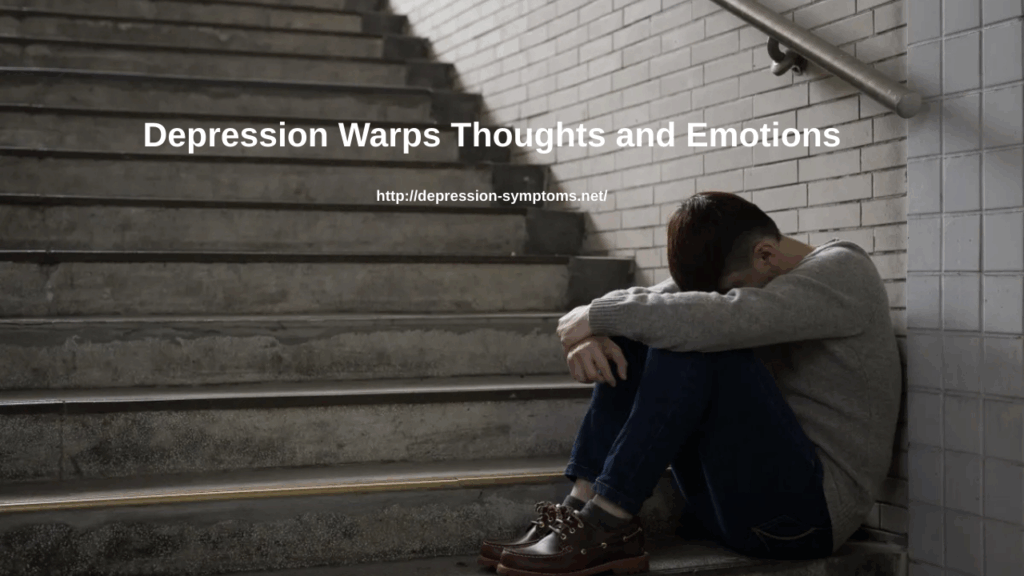
Depression is often misunderstood as simple sadness, but it is far more complex. It can distort the way a person thinks, feels, and interacts with the world. When the mind turns against itself, thoughts become clouded with negativity and emotions grow increasingly heavy. This internal struggle often drives people toward isolation, hopelessness, and sometimes addiction as a way to cope. At Depression-Symptoms.net, we provide compassionate, holistic treatment to help individuals break free from this cycle and rediscover balance in their lives.
The Distorted Thought Patterns of Depression
One of the most difficult aspects of depression is how it alters the way a person views themselves and their circumstances. Common thought patterns include:
- Believing you are a failure even when evidence shows otherwise
- Expecting the worst possible outcome in every situation
- Feeling unworthy of love or support
- Assuming others are judging or rejecting you
These thoughts may feel real in the moment, but they are often products of depression’s distortion. Left unaddressed, they fuel emotions of guilt, shame, and despair, which can intensify the illness.
The Role of Cognitive Distortions
Cognitive distortions are unhealthy thinking habits that take root during depression. For example, “all-or-nothing thinking” causes a person to see life in extremes, while “catastrophizing” makes minor setbacks feel catastrophic. Understanding these distortions is the first step toward challenging and reframing them in healthier ways.
The Emotional Weight of Depression
Thoughts and emotions are closely connected, and in depression they often reinforce one another. Negative thoughts fuel painful emotions such as sadness, anxiety, or emptiness. Over time, these feelings drain motivation, energy, and hope, making even simple daily tasks feel overwhelming.
The emotional burden of depression is also linked to addiction. Many turn to drugs or alcohol in search of temporary relief from relentless mental pain. Unfortunately, substance use often deepens the depression, creating a cycle that feels nearly impossible to escape without support.
How Depression Shapes Behavior
As thoughts and emotions spiral, behavior begins to change. People struggling with depression may:
- Withdraw from loved ones and social activities
- Lose interest in hobbies or passions
- Struggle with work or school responsibilities
- Engage in unhealthy coping mechanisms, including substance use
These behaviors can reinforce the false beliefs planted by depression, making the illness even more difficult to overcome.
Breaking the Cycle with Holistic and Faith-Based Care
The good news is that depression does not have to define a person’s life. At Depression-Symptoms.net, we offer individualized treatment plans designed to address the root causes of depression and addiction. Our programs include:
- Evidence-based therapies such as cognitive behavioral therapy to challenge negative thinking
- Holistic healing through mindfulness, nutrition, and physical wellness
- Faith-based support for those who want to draw on spiritual strength during recovery
- Inpatient and outpatient care to provide both structure and flexibility based on individual needs
By combining professional expertise with compassion, we help individuals replace distorted thoughts with clarity, balance emotions, and develop healthier behaviors.
A Path Toward Healing and Hope
When depression warps thoughts and emotions, it can feel like your own mind has become the enemy. But with the right support, it is possible to break free from these distortions and rebuild a healthier, more hopeful outlook.
If you or someone you care about is struggling with depression or addiction, we are here to help. Contact Depression-Symptoms.net today to take the first step toward healing. You do not have to face this battle alone.