
Depression, does it destroys relationship?

Depression is an illness that can take a toll on an individual’s life, but it can also have a significant impact on relationships between two people. It is a difficult and misunderstood condition that can threaten even the closest of relationships. When a person is suffering from depression, even the simplest task can seem monumental. This could mean lacking energy to maintain relationships, including those with partners, friends and family. While there is no single cause of depression, it can occur due to a variety of factors such as biological, environmental and psychological. Depression can also cause feelings of hopelessness, worthlessness and other symptoms that can significantly affect a person’s ability to interact with others and can lead to damaging effects on relationships.

Depression Changes Personalities

Depression can cause vast changes in someone’s outlook and behavior. People affected by depression may feel exhausted even after a small amount of activity and appear withdrawn. They may also show signs of irritability and lack the motivation to do things they once enjoyed. This can lead to problems in relationships. People with depression tend to become very sensitive to words or actions of their partners and are prone to misinterpretation and conflict. They also may have difficulty in communicating effectively with their partners, ultimately leading to confusion and increasing levels of frustration with those around them.

It Can Bring Negative Emotions

Depression can also cause a person to feel a range of negative emotions, such as sadness, anger, hopelessness and desolation. This can create tension and even hostility in relationships with long-term partners or family members. These outbursts can damage relationships and make communication more difficult, as the underlying cause of this behaviour is often not recognised by those affected. People with depression may also feel ashamed of their condition and fear the judgement of close partners, which can further strain relationships.

Lack Of Intimacy

Depression can also cause a decrease in intimate relationships, which can have drastic effects on both parties. Spending more time alone and exhibiting a lack of energy or interest in relationships can result in complete detachment from partners. This could mean a person won’t show affection nor initiative in sexual activities, and may cause feelings of distant and lack of intimacy in a relationship.

It Can Cause Lying

Depression can cause people to lie in attempt to protect their partners from their negative emotions. They may try to hide their feelings of sadness from their significant others and may express a false sense of happiness. This often leads to further feelings of guilt, shame and loss as this could serve as a form of self-sabotage, preventing communication and understanding within a relationship.

Reaching Out For Help

Depression cannot ruin a relationship. However, it can be damaging if it’s left untreated. Seeking help and support in order to manage depression can be a vital step in helping individuals as well as their partners in overcoming the symptoms of the illness. Some steps a person can take to help a partner suffering from depression include learning as much as possible about the condition, offering emotional support and being patient and understanding. Mental health professionals, such as counsellors and psychiatrists, can also be of great assistance in helping people to manage depression and prevent it from having a negative impact on their relationships.

Conclusion

People with depression and those close to them may feel overwhelmed due to its manifestations. Depression can be damaging to relationships if not addressed, however, with the right help and support, individuals can work together and learn to cope with the symptoms of the illness. With time, patience, and understanding, relationships can become stronger and healthier.
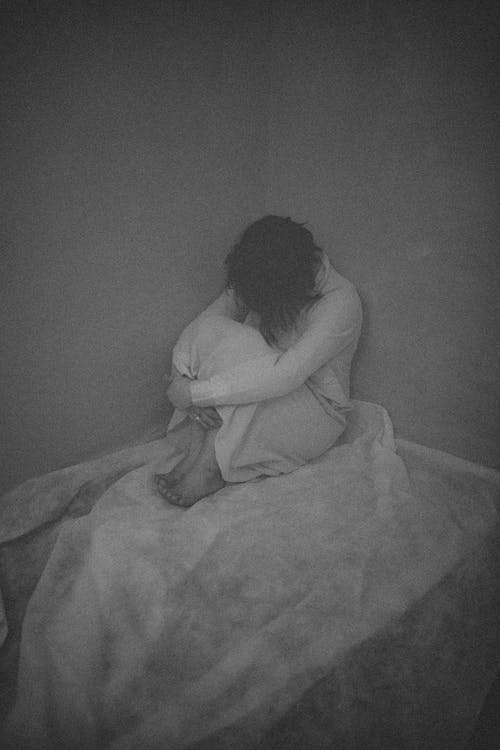
What Is Depression?

Depression is a common mental illness characterized by persistent sadness, hopelessness, low energy, and lack of interest in activities. It usually affects how an individual acts and his/her feelings, thinking, and behavior. Individuals with depression find it hard to cope with the everyday activities of life. It can range from mild to extreme, with severe cases sometimes resulting in suicidal thoughts.

Depression does not discriminate, it affects individuals of all ages, genders, and cultural backgrounds. In the US alone, it is estimated that 16 million adults are affected by depression every year.

There are several types of depression, but all share a common set of symptoms. These may include:

– Persistent feelings of sadness, irritability, and/or hopelessness

– Lack of energy and lack of interest in activities
– Sleep problems (trouble falling or staying asleep, sleeping too much)

– Appetite or weight changes
– Difficulty concentrating or making decisions
– Feelings of guilt or worthlessness
– Loss of pleasure or interest in activities once enjoyed
– Thoughts of suicide

The exact cause of depression is still largely unknown, and researchers are continuously searching for a better understanding of this mental health disorder. It is known to be a combination of biological, psychological, and environmental factors.

Biological factors can include differences in the structure of the brain, particularly in areas responsible for regulating mood and emotions. Neurotransmitters, such as serotonin and norepinephrine, can play a role in the development of depression as well.

Psychological factors such as life changes or stressful events are also common triggers of depression. This could include a major life event, such as death or divorce, or continuing stressful situations, such as unemployment or poverty.

Environmental factors like early childhood trauma or abuse, a lack of social support, and substance abuse can also play a role.

Although depression is often believed to be an individual experience, it can occur during family and relationship distress. It can also result from changes in family dynamics or even as a result of grief or loss.

Treatments for depression are often tailored to the individual. The traditional treatments for depression involve a combination of therapy and medication. Some alternative treatments are now available as well, such as light therapy and acupuncture.

Living with depression can be a challenging and sometimes isolating experience. Fortunately, there are steps that can be taken to manage and cope with the symptoms of depression. These may include:

– Exercising regularly
– Eating well and maintaining a healthy diet
– Practicing relaxation techniques, such as meditation or yoga
– Accepting help from family and friends
– And seeking professional help from a doctor or therapist

Depression can be a difficult and complex disorder to deal with, but it can be treated. Remember that you are not alone; millions of people struggle with depression on a daily basis. With the proper diagnosis and treatment, it is possible to manage the symptoms and to lead a healthy and fulfilling life.

What is Depression?

Depression is a condition that can heavily affect the lives of those who are inflicted with it, yet it goes largely untreated and undiagnosed.  Feelings of sadness are a part of life, and occasional feelings of sadness during a time of loss or grief are common and natural. But when feelings of sadness, despair, dejection and inadequacy become a way of life for someone, they have the medical condition known as depression.

There are many different forms of depression, ranging from mild to severe, but generally speaking, when a person has depression, it is rooted in their psychological make up and can not always be easily detected. Depression can begin with a single grievous life event or an ongoing series of events. Depression can be very chemical in nature, meaning some people are naturally more prone to it through genetics or through their physical environment. Or it can be brought on entirely by life circumstances.

The medical definition of depression is when a person experiences disturbances to their life, appetite and sleep routines due to feelings of sadness, distraction, hopelessness and self loathing. It is reported that one in ten people living in the United States has depression, yet as many as eighty-percent have not received treatment for it. Depression is most likely to strike women in their forties, but cases of depression are found ranging between adolescence to senior years.

The Symptoms of Depression

The best way to identify depression is to understand what it looks like. There are many common signs and symptoms of depression that play a major part in diagnosing it. There are many different disorders that fall into the broad category of depression, such as bipolar disorder, melancholia and seasonal affective disorder, but in regards to the condition of depression itself, the person affected will often exhibit the following signs:

*A decrease in energy
*Suicidal thoughts or tendencies
*Physical symptoms such as pains, stomach upset and cramps
*No pleasure taken in activities that used to bring pleasure
*Restlessness and irritability
*Pessimistic, despondent feelings
*A sense of worthlessness or guilt
*Disturbances to a usual sleep schedule
*Inconsistent eating patterns and weight fluctuation
*Feelings of sadness or anxiety

Depression and Addiction

It is not uncommon for depression and addiction to be found together in a dual diagnosis. Often, they can reinforce one another and build on each other to strengthen destructive thoughts and behavior. The reason depression and addiction are commonly co-occurring disorders is they frequently have roots in the same maladaptive behaviors.

Both depression and addiction have roots in the inability to cope with life circumstances. Depression is expressed in the form of sadness, lethargy and negative thinking, while addiction is characterized by compulsively escaping from life circumstances into a pleasurable. This makes addiction a common, dysfunctional way of coping with depression. Sometimes the reverse happens and a person falls into depression because they are struggling with addiction.

When the two disorders are working in tandum, usually one is dominant and influences the other. In some instances, a person with little to no depression gets hooked on a substance or a behavior because they are influenced by addictive tendencies. When they become aware that their addiction is negatively affecting their lives but they do not know how to end it, they begin to think less of themselves and become vulnerable to depression.

Or, if they are prone to depression because of psychological, biological or environmental reasons, they may self-diagnose and seek their own remedy without the guidance of a medical opinion. Drugs, alcohol, or certain pleasurable activities such as sex are just a few of the escapes that a depressed person may turn to. Because these things have the ability to remove a depressed person from their negative emotions, they can become addictive to the point that the depressed person does not know how to limit their use of them, and addiction is born.

A Good Canadian Depression Treatment center

The Fight Against Depression

Depression can be crushing to a person’s life, but being inflicted with depression does not mean a person needs to succumb to it. In fact, there are millions of cases of depression that saw the person overcome their condition and learn to control it. In order to restore a positive existence to a person with depression, they must first become fully aware of their condition and second seek treatment for it.

The simple act of connecting a person to information about their condition is not always simple. Everyone has different levels of awareness about their own medical conditions, and depression is no different. Many people fear that depression is a sign of weakness so they refuse to seek treatment for it. Others simply do not recognize that their negative thinking is more serious than just being in a common bad mood. Making information about depression readily available in public places and venues is very important to increasing awareness on it.

Once a person has identified their depression as a real medical condition, it is important that they are connected to proper treatment for it. It is best to begin by talking about their depression to their doctor, pharmacist or another member of their support system who can help them seek proper treatment. Usually said treatment will begin with counseling as changing a depressed person’s behaviors and thought patterns is the best method for permanent healing. In severe cases of depression and its various disorders, medication may be prescribed to alleviate symptoms.

Also important to a depressed person’s healing is their personal relationships. The stronger and more encouraging a person’s support system is, the stronger their recovery from depression will be. The value of positivity and encouragement to recovery from any condition should never be underestimated.