Understanding Depression in Teens and Young Adults: What Parents and Educators Should Know

Adolescence and young adulthood are times of growth, discovery, and transformation. But for many young people, these formative years are also marked by emotional turmoil and mental health struggles—especially depression. According to the World Health Organization, depression is one of the leading causes of illness and disability among adolescents. Yet, it’s often misunderstood, misdiagnosed, or overlooked entirely.

For parents, teachers, and caregivers, recognizing the signs of depression in teens and young adults is critical. Early intervention can make a life-changing difference.


Why Depression Looks Different in Young People

Depression doesn’t always show up in teens the way it does in adults. While adults may appear withdrawn, tearful, or hopeless, teens and young adults may present with irritability, anger, or defiance. They might not say they feel sad—instead, they may complain of boredom, fatigue, or feeling “numb.”

This can lead adults to misinterpret symptoms as laziness, attitude problems, or typical teenage mood swings. But in many cases, these behaviors are signals of deeper emotional distress.


Common Signs to Watch For

Here are key symptoms of depression in teens and young adults that parents and educators should be aware of:

  • Persistent sadness or mood swings
  • Irritability, anger, or frustration over small things
  • Loss of interest in hobbies, friends, or social activities
  • Changes in appetite or weight
  • Fatigue or low energy
  • Difficulty concentrating or declining academic performance
  • Sleep disturbances (insomnia or excessive sleeping)
  • Feelings of worthlessness or excessive guilt
  • Talk of death, suicide, or self-harm

These symptoms typically last at least two weeks and can significantly interfere with school, relationships, and daily functioning.


Risk Factors and Triggers

Several factors can contribute to depression in young people, including:

  • Academic pressure and performance anxiety
  • Social media and cyberbullying
  • Family conflict or trauma
  • Loss of a loved one or major life changes
  • Peer pressure and identity struggles
  • Genetics and a family history of mental illness

It’s important to remember that even teens who appear well-adjusted, popular, or successful can struggle silently with depression.


How Parents and Educators Can Help

1. Create a Safe, Supportive Environment
Encourage open communication. Let young people know they can talk about their feelings without fear of judgment or punishment.

2. Know the Warning Signs
Be observant. Notice changes in mood, behavior, or academic performance, and take them seriously.

3. Normalize Mental Health Conversations
Talk about mental health the same way you’d talk about physical health. Reducing stigma makes it easier for young people to ask for help.

4. Encourage Healthy Habits
Support good sleep, balanced nutrition, regular exercise, and digital boundaries. These small lifestyle changes can support emotional well-being.

5. Seek Professional Help
If you suspect depression, don’t wait. A school counselor, psychologist, or mental health professional can assess the situation and guide treatment options, which may include therapy, support groups, or medication.


Final Thoughts

Depression in teens and young adults is real, serious, and treatable. By staying informed, paying attention, and fostering trust, parents and educators can play a powerful role in helping young people navigate the storm—and find their way back to hope.
Men vs. Women: How Depression Symptoms Differ Between Genders

Depression is a complex mental health condition that affects people of all ages and backgrounds. However, research shows that men and women often experience and express depression in different ways. These gender differences can affect diagnosis, treatment, and recovery. Understanding how depression manifests uniquely in men and women is essential for recognizing the signs early and offering the right kind of support.


1. Emotional Expression: Internalized vs. Externalized Symptoms

Women are more likely to experience classic symptoms of depression, such as persistent sadness, tearfulness, feelings of guilt, and low self-esteem. They may be more open about their emotions, sharing their struggles with friends, family, or healthcare providers. This openness can make it easier for women to receive a diagnosis and seek help.

In contrast, men are often socialized to hide their emotional pain. Rather than expressing sadness, they may show depression through externalized symptoms such as anger, irritability, or aggression. They might lash out at others or become easily frustrated. Because these behaviors aren’t traditionally associated with depression, men’s emotional distress can go unnoticed or be mistaken for a personality issue rather than a mental health condition.


2. Coping Strategies and Risky Behavior

Depressed women are more likely to turn inward, ruminating on negative thoughts and emotions. This can increase the risk of anxiety, eating disorders, and co-occurring conditions like post-traumatic stress disorder (PTSD).

Men, on the other hand, are more prone to self-medicating behaviors. They may use alcohol, drugs, gambling, or risky sexual behavior as a way to cope with their pain. These behaviors can mask underlying depression, making it harder for both the individual and those around them to recognize what’s really going on.


3. Physical Symptoms

Both men and women can experience the physical symptoms of depression—such as fatigue, changes in sleep and appetite, and unexplained aches and pains. However, men are often more likely to focus on these physical complaints when talking to a doctor, rather than mentioning emotional distress. As a result, they might receive treatment for the physical symptom without addressing the root cause: depression.


4. Suicide Risk

Depression increases the risk of suicide in both genders, but men are statistically more likely to die by suicide. This is partly because men tend to choose more lethal methods and may delay seeking help until the depression is severe. Women attempt suicide more frequently, but their attempts are less likely to be fatal.


5. Seeking Help

Studies consistently show that women are more likely to seek professional help for depression. They are also more likely to benefit from support networks, such as friends, family, and community resources. Men, influenced by stigma and societal expectations of toughness, often delay or avoid seeking treatment altogether.


Breaking Down Barriers

Recognizing these gender-based differences is key to improving mental health care. Tailored approaches that consider how men and women experience and express depression can lead to earlier diagnosis and better outcomes. Above all, creating an environment where everyone feels safe to speak about their struggles is vital in the fight against depression.

How Depression Affects the Brain: The Science Behind the Struggle

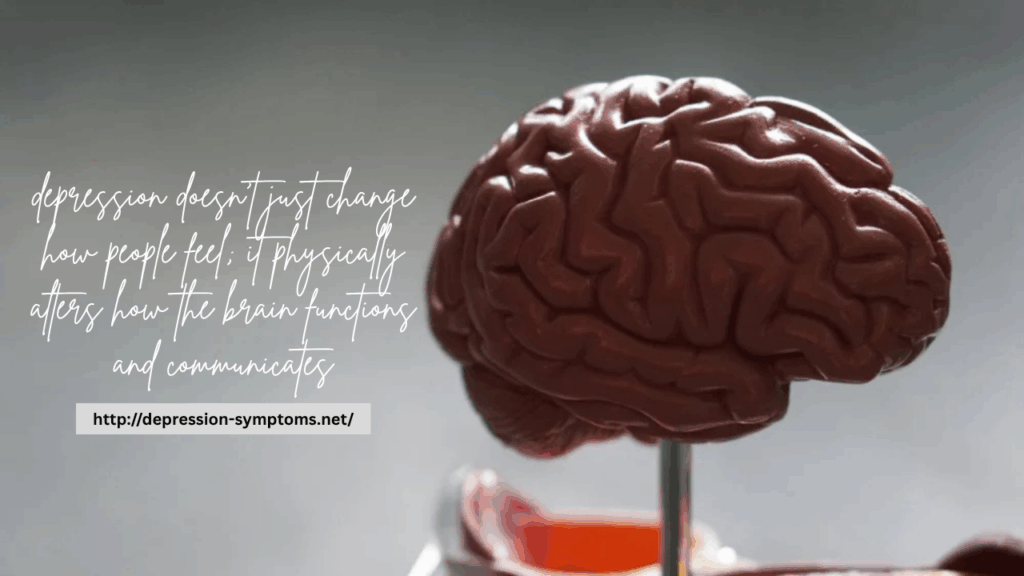
Depression is often seen as an emotional or psychological condition—but beneath the surface, it is deeply rooted in the brain’s biology. Advances in neuroscience have shown that depression doesn’t just change how people feel; it physically alters how the brain functions and communicates. Understanding how depression affects the brain can reduce stigma and emphasize that it’s a real, medical condition—not simply a matter of “being sad” or “snapping out of it.”

Let’s explore the science behind depression and how it reshapes the brain.


1. Neurotransmitter Imbalance

One of the most well-known biological theories of depression involves neurotransmitters—the chemical messengers in the brain. Key neurotransmitters involved in mood regulation include:

  • Serotonin: Affects mood, sleep, and appetite.
  • Dopamine: Influences motivation, pleasure, and reward.
  • Norepinephrine: Plays a role in alertness and energy.

When levels of these chemicals are imbalanced, it can lead to many of the symptoms associated with depression, such as persistent sadness, fatigue, and lack of interest in previously enjoyable activities.

However, depression is more than just a “chemical imbalance.” It also involves structural and functional changes in the brain itself.


2. Brain Structure Changes

Research using MRI scans has shown that depression can shrink or alter activity in key areas of the brain:

  • Hippocampus: Responsible for memory and learning. In people with depression, this area often appears smaller in volume. Chronic stress—a major trigger for depression—can damage the hippocampus, affecting both memory and emotional regulation.
  • Prefrontal Cortex: This area governs decision-making, focus, and planning. Depression can reduce activity here, making it harder to concentrate, think clearly, or make decisions.
  • Amygdala: This region processes emotions like fear and anger. In depressed individuals, the amygdala can become overactive, leading to heightened emotional responses, anxiety, and persistent negative thoughts.

These brain changes aren’t necessarily permanent. With effective treatment, such as therapy or medication, many of these areas can regain healthy functioning over time.


3. Hormonal and Stress Response

Depression is closely linked to the hypothalamic-pituitary-adrenal (HPA) axis, the system that manages the body’s response to stress. In people with depression, this system often becomes overactive, leading to elevated levels of the stress hormone cortisol.

Chronically high cortisol can damage brain cells, especially in the hippocampus, and may also contribute to fatigue, sleep problems, and immune system suppression. This biological response shows that depression isn’t “just in your head”—it involves the whole body.


4. Neural Connectivity and Inflammation

Recent studies suggest that depression may be linked to reduced connectivity between brain regions, particularly those involved in mood regulation and cognitive control. Inflammation in the brain, possibly caused by chronic stress or immune system dysfunction, is also being studied as a contributing factor.


The Good News: The Brain Can Heal

While depression alters brain chemistry and structure, treatment can reverse many of these changes. Antidepressant medications can restore neurotransmitter balance. Psychotherapy can rewire thought patterns. Even lifestyle changes—like exercise, sleep, and mindfulness—have been shown to positively impact brain health.

Understanding the science behind depression helps us see it not as a weakness but as a complex, medical condition. And with the right support and treatment, healing is not only possible—it’s likely.

Depression in Disguise: Atypical Symptoms You Shouldn’t Ignore

When most people think of depression, they picture someone who is constantly sad, crying, or withdrawn. While these are common symptoms, depression doesn’t always look the way we expect. In fact, many individuals experience atypical symptoms that can mask the condition entirely. These lesser-known signs can be easily dismissed or misunderstood—by others and even by those experiencing them.

Understanding the disguised forms of depression is crucial for early detection and treatment. Just because someone isn’t visibly “down” doesn’t mean they’re not struggling.


1. Irritability and Anger

Depression is often associated with sadness and low mood, but for many, especially men and teenagers, it may present as irritability, frustration, or even rage. Individuals might snap at loved ones, feel constantly annoyed, or have a short temper without understanding why. These emotional outbursts can strain relationships and isolate the individual further, worsening their depression.


2. Overeating and Weight Gain

While some people with depression lose their appetite, others experience the opposite. Cravings for carbohydrates or comfort food, frequent snacking, and noticeable weight gain can be signs of atypical depression. These behaviors are often attempts to self-soothe or boost serotonin levels, the brain chemical linked to mood regulation.


3. Excessive Sleeping (Hypersomnia)

Insomnia is a common symptom of depression, but hypersomnia, or sleeping too much, is less frequently discussed. People with atypical depression may sleep for 10 or more hours a night and still feel exhausted. This excessive need for rest can interfere with daily responsibilities and may be misinterpreted as laziness or lack of motivation.


4. Physical Sensitivity and Rejection Sensitivity

Atypical depression can include heightened sensitivity to rejection—whether real or perceived. A small criticism or feeling left out can trigger intense emotional pain or withdrawal. Additionally, some may experience physical heaviness in their limbs, feeling like their arms and legs are weighted down, a symptom sometimes described as “leaden paralysis.”


5. High Functioning Depression

Some people are able to maintain a job, appear social, and meet obligations while battling serious depressive symptoms internally. This condition is often referred to as high-functioning depression or, in clinical terms, persistent depressive disorder (dysthymia). Because their struggles are hidden behind productivity and smiles, they often go undiagnosed and untreated for years.


6. Substance Use and Risky Behavior

Some individuals unknowingly self-medicate their depression with alcohol, drugs, excessive spending, or risky sexual behavior. These coping mechanisms provide short-term relief but worsen the emotional pain in the long run. These behaviors can be dismissed as bad habits rather than red flags for a deeper mental health issue.


Why Atypical Symptoms Matter

Because these symptoms don’t match the classic profile of depression, they are frequently missed—by healthcare providers, friends, family, and even the individuals themselves. Yet they can be just as serious and disruptive as traditional symptoms.

If you or someone you know exhibits these signs, it’s important not to ignore them. Depression is treatable, and early recognition is key. Whether it’s therapy, medication, or lifestyle changes, support is available—and healing is possible.

Physical Symptoms of Depression: It’s Not Just in Your Head

Depression is often misunderstood as purely an emotional or mental condition. While it certainly affects mood, energy, and thinking, it’s important to understand that depression also has real, tangible effects on the body. These physical symptoms are not imagined or exaggerated—they are valid, distressing, and can significantly impact a person’s quality of life. In fact, many people with depression first notice bodily symptoms before they even realize they are struggling with a mental health condition.

Recognizing the physical side of depression is vital for early detection and effective treatment.


1. Chronic Fatigue and Low Energy

One of the most common physical symptoms of depression is persistent fatigue. People with depression often feel drained, even after a full night’s sleep. The fatigue is more than just tiredness—it’s a deep, ongoing sense of exhaustion that makes even simple tasks like showering, cooking, or walking feel like monumental efforts.

This fatigue is both physical and mental, and it can lead to a vicious cycle where low energy discourages activity, which in turn deepens feelings of worthlessness or guilt.


2. Sleep Disturbances

Depression commonly disrupts normal sleep patterns. Some individuals struggle with insomnia—having difficulty falling or staying asleep—while others experience hypersomnia, or excessive sleeping. Despite sleeping longer, those with hypersomnia often still feel tired and unrefreshed.

These sleep issues can worsen other symptoms, like concentration problems and irritability, creating further strain on a person’s physical and emotional well-being.


3. Aches and Pains Without a Clear Cause

Unexplained physical pain is another hallmark of depression. Common complaints include headaches, muscle pain, joint stiffness, and backaches. These symptoms don’t always respond to typical treatments, which can lead to frustration and a sense of helplessness.

Research suggests that depression may heighten pain perception due to its effect on brain chemicals like serotonin and norepinephrine—neurotransmitters that regulate both mood and pain response.


4. Digestive Issues

Depression can take a toll on the digestive system. Nausea, constipation, diarrhea, bloating, and a sensitive stomach are frequently reported by those struggling with depression. These gastrointestinal problems are often mistakenly treated as separate physical ailments, when in fact, they may be rooted in emotional distress.


5. Appetite and Weight Changes

Depression can cause significant changes in appetite. Some people lose interest in food altogether and experience noticeable weight loss. Others may find themselves overeating—especially high-sugar or high-fat comfort foods—leading to weight gain. These changes not only affect physical health but can also contribute to negative self-image and emotional distress.


6. Slowed Movements or Speech

In some cases, depression affects motor function, leading to slowed physical movements, speech, or thought processes. Individuals may feel like they are “moving through molasses,” which can make everyday activities more difficult and worsen feelings of isolation or frustration.


Understanding the Mind-Body Connection

The physical symptoms of depression are not “all in your head.” They are a real part of the illness and deserve just as much attention as emotional or cognitive symptoms. Unfortunately, many people seek help from medical doctors for physical pain without realizing that depression may be the underlying cause.

Acknowledging the physical side of depression helps break down stigma and encourages a more holistic approach to treatment—one that treats both the body and the mind. If you’re experiencing these symptoms, know that you’re not alone—and help is available.

When Sadness Becomes Something More: The Key Differences Between Depression and Normal Blues

Everyone feels down or sad from time to time. It’s a natural part of being human—whether it’s caused by a stressful day, a personal loss, or just a tough moment. These episodes, often referred to as “the blues,” usually fade with time, self-care, or support from loved ones. But sometimes, that sadness lingers, deepens, and begins to interfere with daily life. When this happens, it may no longer be just a passing mood but something more serious: depression.

Understanding the difference between temporary sadness and clinical depression is essential—not only for those experiencing emotional distress but also for friends and family trying to offer support.

Duration and Persistence

One of the biggest differences between normal sadness and depression is how long it lasts. The blues typically pass in a few hours or days, especially once the triggering event has been resolved or processed. Depression, on the other hand, persists for weeks, months, or even years if untreated. Mental health professionals often diagnose depression when symptoms last at least two weeks and are present most of the day, nearly every day.

Intensity of Emotions

Sadness from a bad day or life event can still allow room for hope, enjoyment, and emotional fluctuation. People may feel down but still laugh at a joke, enjoy a good meal, or find relief in distraction. Depression, however, often feels all-consuming. There’s a weight to the emotions that doesn’t lift easily, and the sadness may feel profound, hopeless, or empty. Even joyful experiences bring little to no pleasure—a symptom known as anhedonia.

Functioning in Daily Life

With the blues, people are generally still able to carry on with their lives. They might feel low, but they can still go to work, meet deadlines, or maintain relationships. Depression, by contrast, can interfere with day-to-day functioning. Tasks that once felt routine—getting out of bed, preparing food, answering a phone call—may feel impossible. Productivity may drop, and social withdrawal is common.

Physical and Cognitive Symptoms

Depression is not just emotional—it’s physical and mental as well. It often comes with sleep disturbances (either too much or too little), changes in appetite, fatigue, and slowed thinking or speech. Cognitive symptoms like trouble concentrating, decision-making issues, or persistent negative thoughts are also key indicators. These symptoms rarely accompany ordinary sadness.

Self-Esteem and Worthlessness

Feeling blue doesn’t typically lead someone to question their value or purpose in life. Depression often does. People experiencing depression may feel worthless, guilty, or as though they’re a burden to others. These intense feelings of self-loathing can sometimes escalate into thoughts of self-harm or suicide, which require immediate attention and care.

When to Seek Help

It’s important to seek professional help if feelings of sadness are intense, long-lasting, and begin to affect your ability to function. Depression is a medical condition—treatable through therapy, medication, lifestyle changes, or a combination of approaches. The earlier it’s addressed, the more manageable it becomes.

Recognizing the key differences between depression and normal sadness can be life-changing. While the blues are temporary, depression is persistent—but with support and treatment, recovery is absolutely possible.

From Fatigue to Hopelessness: Understanding the Spectrum of Depression Symptoms

Depression is a multifaceted condition that affects people in different ways. It is not just a matter of feeling sad; depression can manifest across a broad spectrum of emotional, physical, and cognitive symptoms. Some of these symptoms are subtle and may go unnoticed, while others can be more obvious and debilitating. Understanding the full spectrum of depression symptoms is crucial for recognizing the condition and seeking the appropriate help.

Fatigue: More Than Just Being Tired

One of the most common yet overlooked symptoms of depression is fatigue. However, fatigue in depression is not just about feeling sleepy or tired after a long day. It is a persistent lack of energy that doesn’t improve with rest. Individuals with depression often describe feeling physically drained, as if every task—whether big or small—requires monumental effort. This exhaustion can affect every aspect of life, from the ability to work to the capacity to engage in social or household activities.

For many, the feeling of constant fatigue may be so pervasive that they struggle to get out of bed in the morning or face the day ahead. This is not just laziness but a direct consequence of the way depression affects the brain and body, making even the simplest actions feel overwhelming.

Emotional Symptoms: From Sadness to Hopelessness

The emotional toll of depression can be all-consuming. While sadness is one of the hallmark symptoms, depression often brings with it a deeper sense of hopelessness and helplessness. This feeling of despair can cause individuals to believe that things will never get better, that their circumstances are unchangeable, or that they are inherently flawed.

Hopelessness is a dangerous symptom of depression because it can lead to suicidal thoughts. The belief that things will never improve can prevent people from seeking help, further isolating them from support systems. Feelings of guilt and worthlessness often accompany this hopelessness, with people blaming themselves for perceived failures or for being a burden to others.

Cognitive Symptoms: Impaired Thinking and Concentration

Depression doesn’t just affect emotions—it also impacts cognitive function. Individuals with depression often find it difficult to concentrate, focus, or remember things. This can interfere with work, studies, and daily tasks, making individuals feel even more overwhelmed.

For some, the constant mental fog is a source of frustration, as they may feel as though their minds are “cluttered” and unable to function properly. Depression can also distort thinking, leading to negative self-talk and rumination, where individuals dwell on perceived mistakes or failures, further reinforcing the cycle of despair.

Physical Symptoms: The Body’s Response to Depression

Depression also has significant physical symptoms that are often overlooked or misunderstood. These can range from chronic aches and pains to changes in appetite and sleep.

  • Sleep Disturbances: Depression can cause insomnia (difficulty sleeping) or hypersomnia (sleeping too much). Neither form of sleep disruption provides the rest the body needs, leading to a cycle of fatigue and irritability.
  • Changes in Appetite: Some individuals experience a loss of appetite, while others overeat as a way of coping with emotional pain. These changes can lead to weight fluctuations, further affecting self-esteem.
  • Physical Pain: It’s not uncommon for individuals with depression to experience unexplained back pain, headaches, joint pain, or digestive issues. These symptoms are often mistaken for physical illness rather than a manifestation of mental health struggles.

Behavioral Changes: Withdrawal and Avoidance

As depression worsens, people may begin to withdraw from social activities and relationships. They might stop participating in hobbies or avoid social gatherings altogether. This social isolation can make depression feel even more intense, as the individual may feel disconnected from others and alone in their struggle.

Some individuals may also resort to unhealthy coping mechanisms, such as substance abuse or self-harm, in an attempt to numb their emotional pain. These behaviors, though they may offer temporary relief, ultimately make depression worse.

Recognizing the Full Spectrum of Symptoms

Understanding the wide range of depression symptoms—from fatigue and hopelessness to physical pain and social withdrawal—is essential for recognizing the condition early. Depression is a treatable illness, but many individuals suffer in silence for years due to the stigma surrounding mental health or a lack of awareness about the condition.

If you or someone you know is experiencing a range of depression symptoms, it is important to seek help. Therapy, medication, and support from loved ones can all play a key role in managing the condition and improving quality of life. Breaking the silence around depression is the first step in creating a world where those struggling with mental health feel supported and empowered to seek the help they need.

Mind and Mood: How Depression Manifests in Thoughts, Feelings, and Behavior

Depression is a complex mental health condition that affects millions of people worldwide. It is not just about feeling sad—it influences the way a person thinks, feels, and behaves in profound ways. Understanding how depression manifests in these different aspects of life can help individuals recognize the condition and seek the support they need.

The Impact of Depression on Thoughts

Depression affects cognitive processes, making it difficult for individuals to think clearly, make decisions, or maintain a positive outlook. Some common thought patterns associated with depression include:

1. Negative Thinking

People with depression often experience persistent negative thoughts about themselves, their lives, and the future. They may believe they are unworthy, incapable, or that their situation will never improve. This distorted thinking can reinforce feelings of hopelessness.

2. Overgeneralization and Catastrophizing

Depressed individuals may take a single negative experience and apply it broadly to their entire life. For example, if they fail at one task, they may believe they are failures in all aspects of life. They may also expect the worst outcomes in every situation, assuming that nothing will ever go right.

3. Difficulty Concentrating and Making Decisions

Depression can impair cognitive function, making it hard to focus, remember details, or make choices. Even simple decisions—such as what to eat or what to wear—can feel overwhelming. This mental fog can interfere with work, school, and daily responsibilities.

The Emotional Toll of Depression

The emotional symptoms of depression go beyond sadness. Individuals may experience a range of overwhelming and distressing emotions, including:

1. Persistent Sadness or Emptiness

While sadness is a hallmark symptom of depression, many individuals describe feeling numb or empty rather than tearful. They may struggle to feel joy, excitement, or motivation, even when engaging in activities they once loved.

2. Guilt and Self-Blame

Depression often causes individuals to feel excessive guilt over past mistakes or situations beyond their control. They may blame themselves for things that are not their fault or feel like they are a burden to others.

3. Irritability and Mood Swings

Not all depression manifests as sadness. Some people experience increased irritability, frustration, or anger, often directed at themselves or those around them. These mood swings can create tension in relationships and make social interactions challenging.

Changes in Behavior Due to Depression

Depression doesn’t just affect thoughts and emotions—it also alters behavior. Some common behavioral changes include:

1. Social Withdrawal

Many individuals with depression isolate themselves from family and friends. They may cancel plans, avoid social interactions, or feel disconnected from loved ones. This withdrawal can worsen feelings of loneliness and despair.

2. Changes in Sleep and Appetite

Depression often disrupts sleep patterns, causing either insomnia or excessive sleeping. Similarly, appetite may decrease, leading to weight loss, or increase, resulting in weight gain. These physical changes further impact energy levels and overall well-being.

3. Loss of Interest in Activities

A key symptom of depression is anhedonia—the loss of interest or pleasure in activities that once brought joy. Hobbies, sports, work, and even spending time with loved ones may no longer feel enjoyable, leading to further isolation.

4. Risk-Taking or Self-Destructive Behavior

Some individuals engage in risky or self-destructive behaviors as a way to cope with their emotional pain. This may include substance abuse, reckless spending, or self-harm. In severe cases, depression can lead to suicidal thoughts or actions, which require immediate professional help.

Breaking the Cycle and Seeking Help

Recognizing the signs of depression in thoughts, feelings, and behavior is the first step toward recovery. Therapy, medication, lifestyle changes, and social support can help individuals regain control over their lives. It’s important to remember that depression is a treatable condition, and seeking help is a sign of strength, not weakness.

By understanding how depression manifests, we can break the stigma, encourage open conversations, and support those who are struggling. If you or someone you know is experiencing symptoms of depression, reaching out for help can make all the difference.

The Many Faces of Depression: Recognizing the Signs You Might Miss

Depression is often associated with sadness, isolation, and despair, but it does not always present in obvious ways. Many people struggling with depression may not even realize they have it because their symptoms do not fit the common stereotypes. Depression can manifest in subtle, unexpected ways, making it easy to overlook. Recognizing these hidden signs is crucial for getting help and supporting loved ones who may be suffering in silence.

Uncommon or Overlooked Signs of Depression

1. Persistent Irritability or Anger

While depression is typically linked to sadness, some individuals experience heightened irritability or frequent outbursts of anger. This is especially common in men and adolescents who may struggle to express their emotional distress in conventional ways. Instead of appearing withdrawn, they might seem constantly annoyed, impatient, or aggressive.

2. Physical Pain and Unexplained Aches

Depression does not just affect the mind—it can also take a toll on the body. Unexplained headaches, muscle aches, stomach pain, and even chronic fatigue can be linked to underlying depression. When medical tests fail to identify a clear cause for persistent pain, it may be worth considering mental health as a factor.

3. Perfectionism and Overworking

Some individuals cope with depression by becoming perfectionists or workaholics. They may push themselves to achieve unrealistic goals, using productivity as a way to distract from their emotional pain. This “high-functioning depression” can go unnoticed because, on the surface, these individuals appear successful and driven. However, underneath, they may feel empty, exhausted, and overwhelmed.

4. Changes in Appetite and Weight

Depression can cause both overeating and loss of appetite. Some people may turn to food for comfort, leading to weight gain, while others lose interest in eating, resulting in weight loss. These changes often happen gradually, making them easy to dismiss as minor fluctuations.

5. Difficulty Making Decisions

A lesser-known symptom of depression is impaired cognitive function. People struggling with depression may find it difficult to make decisions, even about simple things like what to wear or what to eat. They may feel mentally sluggish, forgetful, or unable to focus, which can affect their work and personal life.

6. Social Withdrawal in Unexpected Ways

Not everyone with depression isolates themselves completely. Some may still attend social events but feel emotionally disconnected or exhausted by interactions. They may seem present physically but disengaged mentally, struggling to find joy in conversations or activities they once enjoyed.

7. Apathy and Loss of Interest in Life

Depression can make life feel dull and meaningless. People may lose interest in hobbies, relationships, or personal goals. They might go through the motions of daily life without feeling any genuine enthusiasm or motivation.

Why These Signs Are Often Missed

Many of these symptoms are dismissed as personality traits, stress, or temporary mood swings. However, when they persist over time and interfere with daily life, they may be signs of an underlying depressive disorder.

When to Seek Help

If you or someone you know exhibits these hidden signs of depression, it is essential to seek professional help. Depression is a medical condition that can be managed with therapy, medication, lifestyle changes, and social support. Recognizing the many faces of depression is the first step toward healing and recovery.

By raising awareness about these often-overlooked symptoms, we can encourage more people to seek help and break the stigma surrounding mental health.

Breaking the Silence: A Deep Dive into Depression and Its Symptoms

Depression is more than just feeling sad—it is a complex mental health disorder that affects millions of people worldwide. Despite its prevalence, depression remains a stigmatized and often misunderstood condition. Many individuals struggle in silence, fearing judgment or misunderstanding from those around them. This article aims to break that silence by providing an in-depth understanding of depression and its symptoms.

What Is Depression?

Depression, clinically known as major depressive disorder (MDD), is a mental health condition that impacts mood, thoughts, and overall well-being. It is characterized by persistent sadness, loss of interest in activities, and a range of emotional and physical symptoms. Unlike temporary feelings of sadness or grief, depression lingers for weeks, months, or even years and can severely disrupt daily life.

Common Symptoms of Depression

Depression manifests differently in each individual, but some common symptoms include:

  1. Persistent Sadness or Low Mood
    One of the most recognized signs of depression is a deep and persistent sadness. This feeling may come with hopelessness, emptiness, or despair.
  2. Loss of Interest or Pleasure in Activities
    People with depression often lose interest in activities they once enjoyed, such as hobbies, socializing, or even spending time with loved ones. This is known as anhedonia.
  3. Changes in Appetite and Weight
    Depression can lead to significant changes in appetite, resulting in weight loss or weight gain. Some people may lose their desire to eat, while others may overeat as a way of coping.
  4. Sleep Disturbances
    Insomnia (difficulty sleeping) and hypersomnia (excessive sleeping) are common in depression. Some individuals find it hard to fall asleep, while others sleep excessively but still feel fatigued.
  5. Fatigue and Low Energy
    A person with depression often feels drained, even after resting. Simple tasks such as getting out of bed or doing household chores can feel overwhelming.
  6. Difficulty Concentrating
    Depression affects cognitive function, making it difficult to focus, make decisions, or remember things. This can impact work, school, and daily responsibilities.
  7. Feelings of Guilt or Worthlessness
    People with depression may experience intense guilt over past events or feel as though they are a burden to others. This can lead to self-blame and low self-esteem.
  8. Physical Symptoms
    Depression is not just mental—it has physical symptoms as well. Chronic pain, headaches, digestive issues, and muscle tension are all common in individuals with depression.
  9. Thoughts of Death or Suicide
    In severe cases, depression can lead to suicidal thoughts or behaviors. It is crucial to seek immediate help if someone expresses feelings of wanting to harm themselves.

Breaking the Stigma

Many people suffering from depression hesitate to seek help due to stigma or misconceptions. Society often portrays depression as a weakness or something that can be overcome with willpower. However, depression is a medical condition that requires treatment, just like any physical illness.

Seeking Help and Treatment

Depression is treatable with therapy, medication, lifestyle changes, and support systems. If you or someone you know is struggling, reaching out to a mental health professional can be the first step toward recovery.

Breaking the silence around depression is essential. By fostering open conversations and educating ourselves, we can create a world where those struggling feel supported and empowered to seek help.