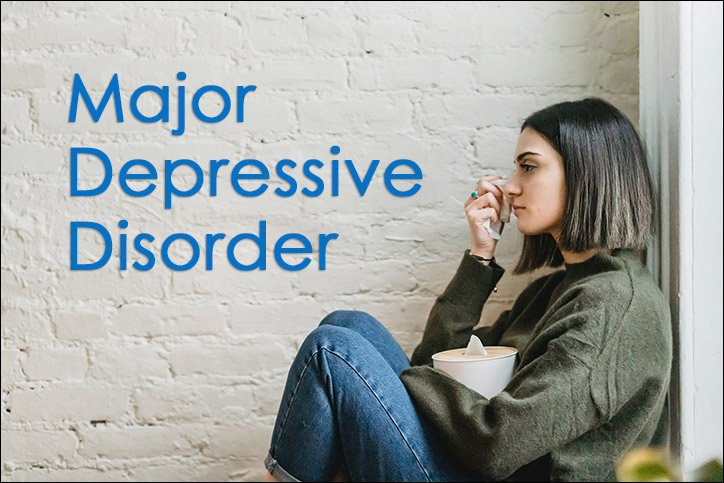
Mood changes are a natural part of life, but when emotional shifts become persistent, heavy, or disruptive, they may be signs of something deeper. Depression is a mental health condition that affects how a person feels, thinks, and functions each day. For individuals navigating addiction recovery or co-occurring mental health challenges, understanding depression symptoms is especially important. Early awareness can improve treatment outcomes, reduce relapse risk, and support long-term emotional stability.
What Depression Symptoms Really Look Like in Daily Life
Depression does not always appear as constant sadness. In many cases, it shows up in subtle ways that gradually affect daily functioning. These symptoms can impact work, relationships, recovery progress, and physical health.
Emotional Symptoms That Shape Your Mood
Depression often begins with emotional changes that may feel confusing or difficult to explain:
- Persistent sadness or emotional heaviness
- Feeling empty, numb, or disconnected
- Irritability or low frustration tolerance
- Loss of interest in activities that once felt meaningful
- Feelings of guilt, shame, or hopelessness
These emotional symptoms can influence how a person responds to stress and may reduce motivation to stay engaged in recovery or self-care routines.
Cognitive Symptoms That Affect Thinking
Depression also impacts mental clarity and decision-making:
- Difficulty focusing or staying present
- Trouble making even simple decisions
- Negative thought patterns or self-critical thinking
- Mental fatigue or slowed thinking
In recovery settings, these symptoms can sometimes be mistaken for exhaustion or withdrawal effects, which makes awareness even more important.
How Depression Symptoms Affect Daily Functioning
Depression influences more than mood. It can interfere with how a person manages everyday responsibilities and relationships.
Impact on Physical Health and Energy
Many individuals with depression experience physical symptoms that affect daily life:
- Low energy or constant fatigue
- Sleep disruptions such as insomnia or oversleeping
- Changes in appetite or weight
- Headaches, body aches, or digestive discomfort
These symptoms can make routine activities feel overwhelming and may reduce consistency in recovery participation.
Impact on Behavior and Relationships
Depression can also change how a person interacts with the world around them:
- Withdrawing from friends, family, or support systems
- Avoiding responsibilities or delaying tasks
- Reduced participation in recovery programs or therapy
- Increased reliance on unhealthy coping strategies, including substance use
Recognizing these behavioral changes early can help prevent deeper emotional decline or relapse.
Why Understanding Your Mood Matters in Recovery
For individuals in addiction recovery, understanding depression symptoms is not just helpful, it is essential. Depression can increase vulnerability to relapse, especially when emotional distress feels unmanageable. By identifying symptoms early, individuals can take steps to protect both their mental health and recovery progress.
Early Awareness Supports Better Treatment Outcomes
When depression is recognized early, treatment can be adjusted to meet current emotional needs. This may include therapy, medication support, or structured care programs.
Integrated Care Improves Healing
The most effective treatment approaches address both mental health and addiction together. Integrated care may include:
- Inpatient treatment for structured support and stabilization
- Outpatient programs for ongoing therapy and flexibility
- Individual counseling to address emotional patterns
- Holistic therapies such as mindfulness, movement, and nutrition support
- Faith-based care for individuals seeking spiritual grounding and purpose
Practical Steps for Managing Mood and Symptoms
Managing depression begins with awareness and small consistent actions.
Track Daily Emotional Patterns
Writing down mood changes, energy levels, sleep patterns, and triggers can help identify patterns that may not be obvious in the moment.
Stay Connected to Support Systems
Isolation can worsen depression symptoms. Staying connected with trusted people or recovery groups helps maintain emotional balance and accountability.
Prioritize Professional Support
Mental health professionals can help distinguish depression from stress, anxiety, or recovery-related challenges and create a personalized care plan.
Build Healthy Daily Structure
Simple routines such as regular meals, sleep schedules, and light physical activity can help stabilize mood over time.
Conclusion: Taking the Next Step Toward Emotional Clarity
Understanding your mood and recognizing key depression symptoms is a powerful step toward healing. These symptoms are not a sign of weakness. They are signals that support and care may be needed. With the right combination of professional treatment, holistic support, and consistent self-awareness, recovery becomes more stable and sustainable.
If you or someone you love is experiencing symptoms of depression, reaching out for help can make a meaningful difference. Compassionate, individualized care through inpatient or outpatient treatment programs can provide the structure and support needed to move forward with confidence and hope.