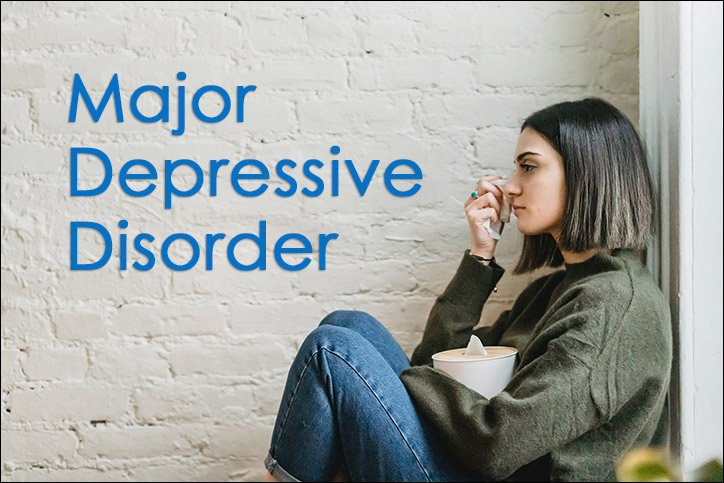
Depression is often associated with persistent sadness, but the reality is much more complex. Many people living with depression continue to work, care for their families, and fulfill daily responsibilities while quietly struggling with symptoms that affect their emotional, physical, and mental well-being. For individuals facing chronic stress or recovering from addiction, depression can be even more difficult to recognize because its symptoms often overlap with other challenges. Understanding how depression symptoms appear in everyday life is a critical step toward seeking help, strengthening recovery, and improving overall quality of life.
Understanding the Connection Between Depression, Stress, and Addiction
Depression rarely exists in isolation. It frequently interacts with stress, anxiety, trauma, and substance use disorders. In many cases, one condition can contribute to the development or worsening of another.
How Chronic Stress Affects Mental Health
Stress is a normal part of life, but prolonged stress can significantly impact emotional well-being. When the body remains in a constant state of tension, it becomes harder to manage emotions, maintain motivation, and cope with challenges effectively.
Some common effects of chronic stress include:
- Persistent fatigue
- Difficulty concentrating
- Increased irritability
- Sleep disturbances
- Feelings of overwhelm
Over time, these symptoms can begin to resemble depression, making it difficult to determine where stress ends and depression begins.
The Relationship Between Addiction and Depression
Many individuals struggling with addiction also experience depression. Sometimes people turn to substances in an attempt to cope with emotional pain, loneliness, or hopelessness. Unfortunately, substance use often worsens depression symptoms over time.
Alcohol and drugs can temporarily numb difficult emotions, but they can also disrupt brain chemistry, increase emotional instability, and make recovery more challenging. This is why integrated treatment that addresses both addiction and mental health is so important.
Emotional Signs of Depression in Daily Life
Depression affects much more than mood. It influences how individuals experience relationships, responsibilities, and personal fulfillment.
Loss of Interest in Everyday Activities
One of the most common symptoms of depression is a reduced interest in activities that once brought enjoyment.
Individuals may notice:
- Less excitement about hobbies
- Reduced motivation to socialize
- Difficulty engaging in family activities
- Feeling emotionally disconnected from important experiences
These changes often develop gradually, making them easy to overlook.
Persistent Feelings of Hopelessness
Depression frequently creates a negative emotional filter through which people view themselves and their future.
Common emotional experiences include:
- Feeling discouraged about personal progress
- Believing situations will never improve
- Excessive self-criticism
- Difficulty recognizing personal strengths
These thoughts can become especially damaging during addiction recovery if they are left unaddressed.
Physical Symptoms That May Signal Depression
Many people are surprised to learn that depression often appears through physical symptoms before emotional symptoms become obvious.
Changes in Energy and Sleep
Depression commonly affects energy levels and sleep patterns.
Individuals may experience:
- Chronic fatigue despite adequate rest
- Difficulty falling asleep
- Frequent waking during the night
- Sleeping significantly more than usual
Because these symptoms are physical, they are often blamed on work stress, aging, or other health conditions.
Appetite and Physical Discomfort
Depression can also affect appetite and physical health.
Possible symptoms include:
- Loss of appetite
- Increased emotional eating
- Weight fluctuations
- Headaches
- Muscle tension
- Digestive issues
When these symptoms persist, it is important to consider their connection to mental health.
How Depression Affects Decision Making and Daily Responsibilities
Depression can quietly interfere with a person’s ability to function effectively throughout the day.
Difficulty Concentrating
Many individuals experience cognitive symptoms such as:
- Trouble focusing on conversations
- Forgetfulness
- Mental fog
- Difficulty completing tasks
These challenges can affect work performance, recovery participation, and personal relationships.
Reduced Motivation
Even simple tasks may feel overwhelming when depression is present.
Examples include:
- Delaying important responsibilities
- Avoiding appointments or meetings
- Struggling to maintain healthy routines
- Neglecting self-care practices
For those in recovery, reduced motivation can increase vulnerability to relapse and emotional setbacks.
The Importance of Seeking Comprehensive Support
Depression symptoms should never be ignored, especially when they occur alongside addiction or chronic stress. Early intervention can prevent symptoms from worsening and provide individuals with effective tools for healing.
Benefits of Integrated Treatment
Comprehensive care often includes:
- Inpatient treatment for structured support
- Outpatient programs for ongoing guidance
- Individual therapy
- Group counseling
- Holistic wellness practices
- Faith-based support for those seeking spiritual growth
An individualized treatment plan allows each person to receive care that addresses their unique needs and circumstances.
Conclusion: Recognizing the Signs Is the First Step Toward Healing
Depression symptoms can appear in many forms, from emotional numbness and fatigue to difficulty concentrating and loss of motivation. When stress, addiction, and mental health challenges overlap, recognizing these symptoms becomes even more important. The earlier depression is identified, the sooner effective support and treatment can begin.
If you or someone you care about is experiencing symptoms of depression, do not wait for them to become overwhelming. Professional mental health care, addiction recovery services, holistic therapies, and compassionate support can make a profound difference. Healing is possible, and every step toward understanding your mental health is a step toward a healthier, more hopeful future.